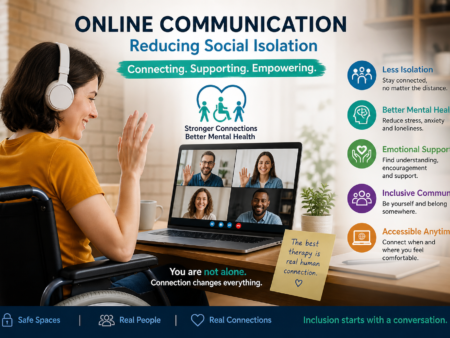
Why Emotional Support Matters More Than Ever
Emotional support is not just a comforting concept—it is a basic human need.
Human beings are naturally wired for connection. Our emotional wellbeing depends heavily on the quality of our relationships, whether they are friendships, family bonds, romantic partnerships, or supportive communities.
In today’s fast-paced digital world, many people are constantly connected online yet emotionally disconnected in real life. This paradox has made emotional support and healthy social interaction more essential than ever.
Understanding how emotional support works can help us build stronger relationships, improve mental health, and create more meaningful lives.
What Is Emotional Support?
Emotional support refers to the comfort, understanding, validation, and reassurance we receive from others during both difficult and everyday moments.
It is not necessarily about solving someone’s problems. Instead, it is about making them feel heard, understood, and emotionally safe.
Common Forms of Emotional Support
Healthy emotional support often includes:
- Active listening
- Empathy and compassion
- Emotional validation
- Encouragement
- Reassurance
- Consistent presence
- Non-judgmental communication
True emotional support helps people process emotions in a healthier and more constructive way.
Why Humans Need Emotional Support
From a psychological and biological perspective, humans are designed for social connection.
Research in neuroscience shows that supportive social interactions activate systems in the brain that regulate stress and promote emotional balance.
Without emotional support, people are more vulnerable to:
- Anxiety
- Depression
- Chronic stress
- Burnout
- Emotional isolation
With healthy support systems, people experience:
- Lower stress levels
- Greater resilience
- Improved confidence
- Better emotional regulation
- Higher life satisfaction
What Defines Healthy Social Interactions?
Not all relationships are emotionally beneficial.
Healthy social interactions are based on mutual respect, trust, and emotional safety.
Key Characteristics of Healthy Relationships
✔ Mutual Respect
Both people value each other equally.
✔ Honest Communication
Feelings can be expressed openly.
✔ Emotional Safety
There is no fear of judgment or rejection.
✔ Balance
Support is given and received by both sides.
✔ Authenticity
People can be themselves without pretending.
These qualities create the foundation for effective emotional support.
How Emotional Support Affects the Brain
Emotional support has measurable neurological effects.
When someone feels emotionally supported, several positive biological processes occur.
1. Reduced Stress Response
Supportive conversations lower cortisol, the body’s primary stress hormone.
2. Increased Oxytocin Production
Often called the “bonding hormone,” oxytocin promotes trust and connection.
3. Dopamine Activation
Positive social interaction stimulates reward pathways in the brain.
4. Emotional Regulation
Support helps calm the amygdala, the brain region associated with fear and anxiety.
The result is greater emotional stability and psychological comfort.
The Role of Empathy in Emotional Support
Empathy is the ability to understand and share another person’s emotional experience.
It is one of the most powerful tools in healthy relationships.
Two Main Types of Empathy
Cognitive Empathy
Understanding what another person feels intellectually.
Emotional Empathy
Actually feeling emotional resonance with another person.
Both are essential for meaningful emotional support.
Without empathy, support often feels superficial or mechanical.
Why Active Listening Is Essential
Active listening is one of the strongest forms of emotional support.
It involves fully focusing on the other person without interrupting or immediately trying to “fix” the problem.
Active Listening Includes
- Giving full attention
- Asking thoughtful questions
- Reflecting understanding
- Responding with compassion
- Avoiding judgment
Sometimes people do not need advice. They simply need to feel understood.
Building Relationships That Provide Emotional Support
Healthy relationships do not happen instantly. They are built through trust, consistency, and emotional honesty.
Trust
Trust develops through reliability and sincerity.
Vulnerability
Sharing emotions creates deeper connection.
Shared Experiences
Meaningful moments strengthen emotional bonds.
Healthy Conflict Resolution
Disagreements handled respectfully often strengthen relationships.
Strong emotional support systems are built intentionally over time.
Toxic Relationships vs Healthy Support Systems
Not every close relationship is emotionally healthy.
Signs of Toxic Relationships
- Constant criticism
- Emotional manipulation
- Lack of empathy
- One-sided effort
- Disrespect for boundaries
Signs of Healthy Supportive Relationships
- Emotional encouragement
- Honest communication
- Mutual respect
- Safe vulnerability
- Emotional consistency
Learning the difference is essential for emotional wellbeing.
The Effects of Emotional Isolation
Lack of emotional support can seriously impact mental and physical health.
Common consequences include:
- Chronic loneliness
- Low self-esteem
- Increased anxiety
- Emotional exhaustion
- Difficulty making decisions
Long-term isolation has even been linked to physical health risks such as weakened immunity and cardiovascular issues.
Emotional Support in the Digital Age
Technology has transformed how we connect.
Digital communication offers powerful opportunities for emotional support—but also limitations.
Benefits
- Instant access to others
- Long-distance connection
- Online support communities
Challenges
- Surface-level interactions
- Reduced emotional depth
- Validation-seeking behavior
- Lack of physical presence
Online support works best when combined with meaningful real-world connection.
The Importance of Community
Communities play a major role in emotional wellbeing.
Healthy communities provide:
- Belonging
- Shared identity
- Emotional safety
- Mutual encouragement
Whether online or offline, supportive communities reduce isolation and improve resilience.
How to Strengthen Emotional Support in Your Life
You can actively improve your emotional support system.
Practical Steps
Prioritize Authentic Relationships
Invest in people who genuinely care.
Practice Emotional Honesty
Express your feelings openly.
Develop Listening Skills
Support others through presence.
Set Healthy Boundaries
Protect your emotional energy.
Seek Positive Communities
Connection often begins with shared interests.
Small consistent efforts create stronger emotional foundations.
Frequently Asked Questions
Does emotional support really reduce stress?
Yes. Scientific studies show emotional support lowers cortisol and improves emotional regulation.
Can online relationships provide real emotional support?
Yes, especially when communication is genuine and consistent.
What if I don’t currently have emotional support?
Start by joining communities, building friendships gradually, and practicing openness.
Final Thoughts
Emotional support through healthy social interactions is one of the strongest predictors of mental wellbeing.
It helps us navigate stress, process emotions, and build resilience.
In a world where digital communication often replaces real connection, learning how to build authentic supportive relationships has become one of the most valuable life skills.
The quality of our emotional connections often determines the quality of our lives.